

Supporting the Heart of Home Care
Caring for a loved one is a deeply meaningful role. We provide the tools and heart-centered support you need to maintain your own well-being.
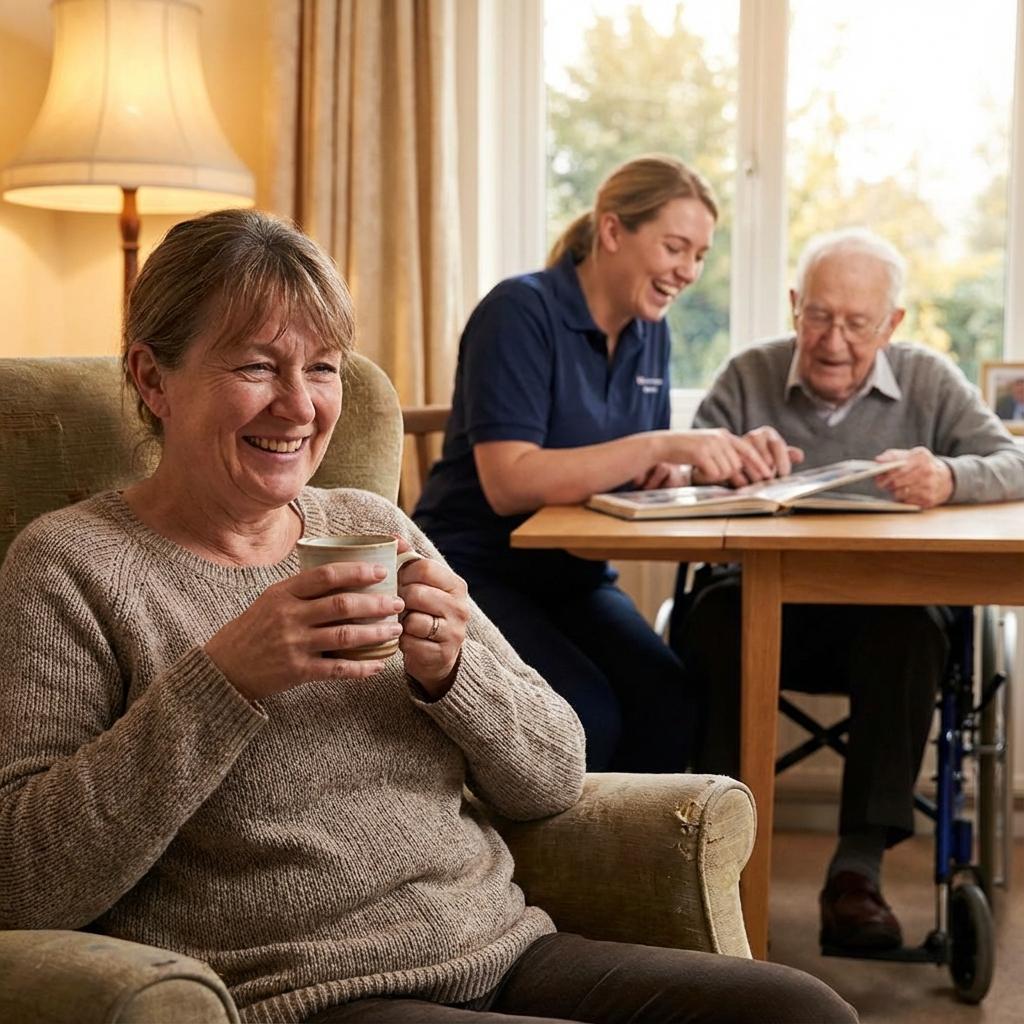
Caring for Yourself
Empowers Better Care
As a family caregiver, your resilience is the foundation of your loved one’s health. We provide the support framework to ensure your well-being is never secondary.
Prevent Burnout
Practical ways to manage the daily emotional demands of care.
Preserve Quality
A well-rested caregiver provides more attentive, patient support.
Maintain Connection
Keeping your own identity and social life strong alongside your role.
Recognizing
Caregiver Stress
Caregiving often builds up slowly. Take a quiet moment to check in with yourself. If you identify with several of these, it may be time to reach out for more support:
It's Okay to Ask for Help
Asking for respite or support isn't a sign of weakness; it's a sign of commitment to being the best caregiver you can be.
Essential Self-Care Tips
Helpful approaches to maintaining your health while navigating the journey of caring for a loved one.
Regular Respite
Schedule time for yourself every day. Even 15 minutes of quiet can prevent burnout and help you stay focused on your own needs.
Your Health Matters
A healthy caregiver is better equipped to support others. Keep your own wellness appointments and maintain healthy routines.
Stay Connected
Isolation is a risk for many caregivers. Maintain regular contact with friends and family to preserve your emotional strength.
Manage Your Stress
Use simple relaxation techniques like mindful breathing or gentle movement to help regulate your energy and mood.
Local Resources
For Your Family
Minnesota offers several excellent programs specifically for family caregivers. We can help you navigate these or you can explore them directly:
Family Caregiver Support Program
A MN DHS program providing information, assistance, and respite for family caregivers.
Visit SiteSenior LinkAge Line®
A free statewide service that helps seniors and caregivers find local resources (1-800-333-2433).
Visit SiteAlzheimer’s Association (MN/ND)
Deep support for those caring for loved ones with memory loss.
Visit Site
Resources for Caring Partners
Access a range of professional support options designed specifically for the unique needs of family caregivers.
Support Groups
Connect with peers who truly understand your specific challenges and shared experiences.
Respite Services
Professional, nurse-led relief that ensures your loved one receives high-quality care while you recharge.
Learning Guides
Helpful materials to strengthen your practical caregiving skills and understanding of health needs.
Coordination Desk
Direct weekday access to our caring team for support plan adjustments and general questions.
The Caregiver's Bill of Rights
We believe every family caregiver has fundamental rights that ensure their role is sustainable and healthy.
I have the right to take care of myself. This is not an act of selfishness.
I have the right to seek help from others even though my loved one may object.
I have the right to maintain facets of my own life that do not include my loved one.
I have the right to get angry, be depressed, and express other difficult feelings.
I have the right to reject any attempt by my loved one to manipulate me through guilt or anger.
I have the right to receive consideration, affection, forgiveness, and acceptance for what I do.
We’re Here to Support You Too
If you are caring for a family member, our coordination team is here to offer guidance, resources, and a listening ear.
Free, no-pressure care consultations